Why Most Roofing in Iowa Fails Early | Right Roofing
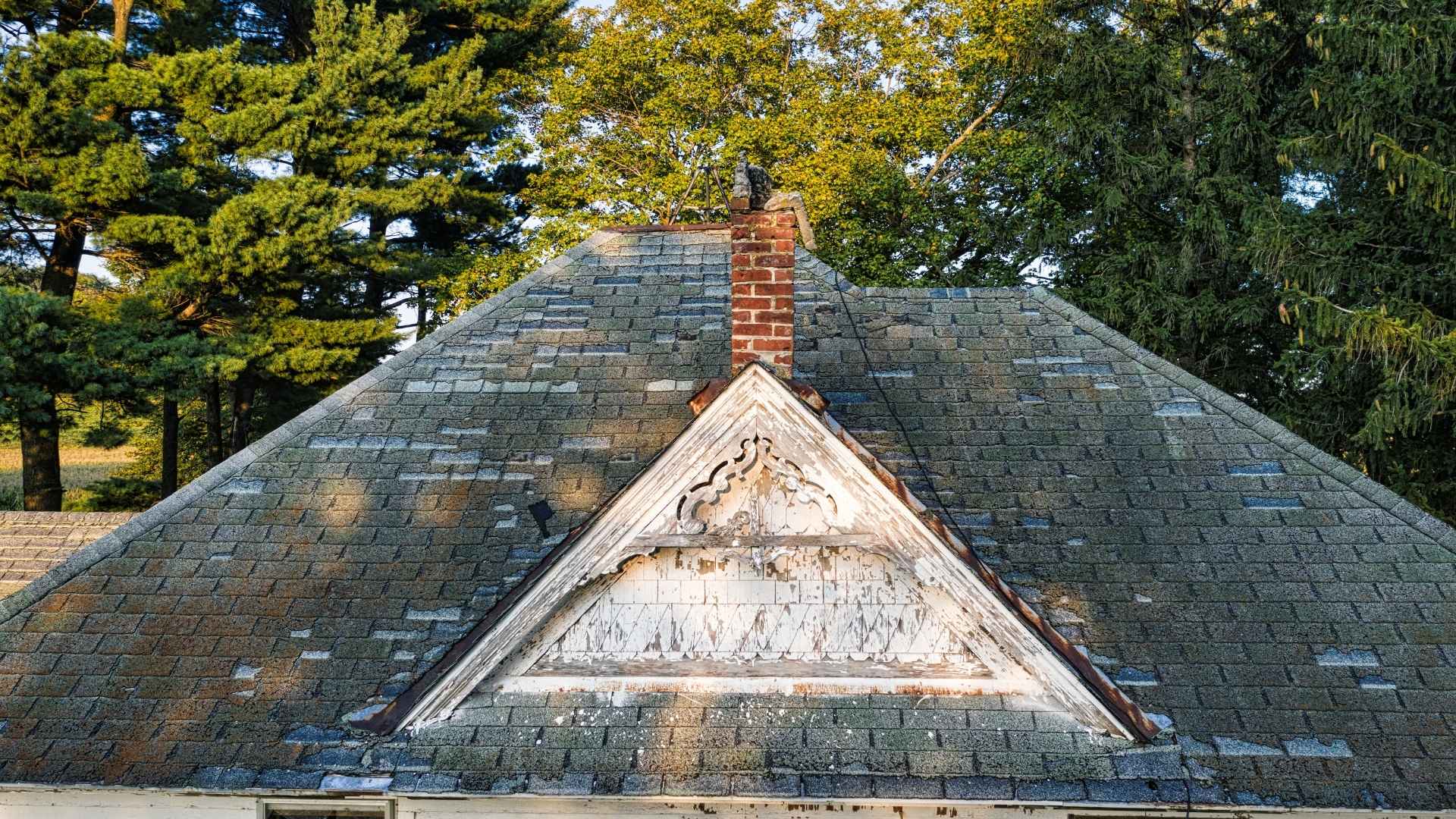
When homeowners start thinking about roof replacement, the first question is usually about age. How old is the roof? How many years does it have left? Is it approaching the end of its lifespan?
Those questions seem logical, but they often lead people in the wrong direction. In reality, the condition of a roof matters far more than the number of years it has been in place. That distinction is especially important when it comes to roofing in Iowa, where roofs are exposed to some of the harshest weather conditions in the Midwest.
After years of inspecting roofs throughout Central Iowa, one pattern becomes clear: most roofs don't fail because they get old. They fail because of problems that develop long before homeowners notice them.
The Biggest Myth About Roof Lifespan
Many asphalt shingle manufacturers advertise products with 30-year or even longer warranties. Homeowners naturally assume that means they can expect three decades of reliable performance.
The reality is far more complicated.
Climate, installation quality, ventilation, maintenance habits, and construction details all influence how long a roof actually lasts. Two homes built side by side with the same shingles can experience dramatically different outcomes over the next twenty years.
One roof may perform well for decades. The other may develop serious issues years before reaching its expected lifespan.
The difference usually comes down to factors that homeowners never see from the ground.
As Ryan Johnson, owner of Right Roofing, Siding & Windows, explained during a recent discussion on roof longevity:
"Roofing materials themselves rarely fail."
That observation challenges one of the most common assumptions homeowners make. In many cases, the shingles are not the problem. The real issue lies in the system supporting them.
Why Iowa Is Hard on Roofs
Before discussing the most common failure points, it's important to understand the environment Iowa roofs must endure.
Unlike regions with relatively stable weather patterns, Iowa experiences dramatic seasonal swings.
Winter brings freezing temperatures, snow accumulation, ice formation, and repeated freeze-thaw cycles. Spring introduces heavy rain and severe storms. Summer delivers intense UV exposure, high heat, humidity, and strong winds. Fall often serves as a brief transition before the cycle begins again.
Each season places stress on roofing materials.
The Freeze-Thaw Effect
One of the most destructive forces affecting roofs in Iowa is the freeze-thaw cycle.
Small amounts of moisture find their way into tiny cracks, seams, and vulnerable areas. When temperatures drop, that moisture freezes and expands. As temperatures rise, the ice melts. The process repeats itself over and over again.
Over time, these constant expansions and contractions weaken seals, loosen materials, and create pathways for water intrusion.
As Johnson explains:
"Moisture gets into small areas beneath or between shingles. When temperatures drop, that moisture freezes and expands."
While homeowners may never notice these changes happening, the roof experiences them year after year.
Heat and UV Exposure Matter Too
Many people focus exclusively on winter weather when discussing roof damage. However, summer can be equally challenging.
Ultraviolet radiation gradually breaks down roofing materials. Excessive heat accelerates aging. If attic temperatures become too high, shingles can blister, crack, and deteriorate more quickly than expected.
A roof's lifespan is not determined by one major event. More often, it is shortened by years of cumulative stress.
The Four Failure Points That Determine Roof Longevity
When evaluating roof performance, there are four recurring issues that consistently separate long-lasting roofs from premature failures.
These are not theoretical concerns. They are patterns observed repeatedly during inspections, repairs, and replacements.
1. Poor Installation
If there is one factor that influences roof longevity more than any other, it is installation quality.
Homeowners often spend considerable time researching shingle brands, warranty options, and material specifications. Yet the quality of workmanship frequently has a greater impact than the product itself.
A roof is a system made up of thousands of individual components. Every nail, flashing detail, seal, penetration, and transition point matters.
When installation shortcuts occur, problems often remain hidden for years.
That's what makes poor workmanship particularly dangerous.
Small Mistakes Become Big Problems
One improperly driven nail may not create a leak immediately.
An underdriven nail can gradually work upward over time. Eventually, it may puncture the shingle above it and create an opening for water intrusion.
The homeowner sees a leak ten years later.
The actual cause occurred on installation day.
According to Johnson:
"Many installation-related issues don't appear immediately. They often don't show up until eight to ten years later."
That delayed timeline makes it difficult for homeowners to connect current problems to decisions made years earlier.
2. Inadequate Ventilation
Ventilation may be one of the most overlooked aspects of roof performance.
Most homeowners think of roofing as what happens on top of the house. Experienced roofing professionals know that what happens underneath is equally important.
A properly functioning attic ventilation system helps regulate temperature and moisture levels throughout the year.
Without adequate airflow, serious issues can develop.
Heat Becomes Trapped
During summer, attic temperatures can soar well above outdoor temperatures.
That trapped heat accelerates the aging process of roofing materials.
Shingles become more vulnerable to:
Cracking
Curling
Blistering
Premature deterioration
Over time, the roof effectively ages faster than it should.
Moisture Creates Hidden Damage
Moisture is often an even greater concern.
Warm air naturally rises from living spaces into the attic. When that warm, humid air encounters cold surfaces, condensation forms.
In severe cases, moisture accumulation can become significant enough to mimic rainfall inside the attic.
The consequences can include:
Mold growth
Wood rot
Damaged insulation
Structural deterioration
These problems frequently remain hidden until they become expensive to correct.
A roof cannot reach its full lifespan if the attic beneath it is working against it.
3. Flashing Failures Cause More Leaks Than Most People Realize
When homeowners think about leaks, they often picture damaged shingles.
In reality, many leaks originate somewhere else entirely.
The most vulnerable parts of a roof are usually the transition areas.
These include:
Roof-to-wall intersections
Chimneys
Skylights
Valleys
Vent penetrations
Dormers
These areas rely heavily on flashing systems to redirect water safely away from the structure.
According to Johnson:
"Approximately 80% of leaks occur at transition areas where flashing details were improperly installed."
That statistic highlights a reality that many homeowners never hear.
Roofing is not simply about covering a house with shingles. It is fundamentally a water management system.
The quality of flashing details often determines whether water stays outside or finds a way inside.
The Details Matter
Many roofing failures stem from seemingly minor installation decisions.
A small gap.
An improperly layered flashing component.
A shortcut taken during construction.
These details may appear insignificant at first. Yet they often become the starting point for major water damage years later.
The best roofs are not necessarily the ones with the most expensive materials.
They are often the ones where every detail was executed correctly.
4. Neglected Maintenance
Even the best roof requires periodic attention.
Unfortunately, roofs suffer from an "out of sight, out of mind" problem.
Unlike kitchens, bathrooms, or landscaping, homeowners rarely look at their roofs closely. As a result, warning signs often go unnoticed.
Small issues continue developing until they become expensive repairs.
Early Warning Signs Homeowners Should Watch For
Several indicators may suggest a roof is aging faster than it should:
Excessive granule loss
Granules collecting in gutters
Cracked shingles
Blistering
Uneven wear patterns
Damaged flashing
Missing shingles
These symptoms do not automatically mean replacement is necessary.
However, they do indicate that professional evaluation may be warranted.
The Cost of Waiting
Many homeowners delay inspections because they assume no visible leak means no problem exists.
Unfortunately, water intrusion often begins long before interior damage becomes visible.
By the time stains appear on ceilings or walls, the underlying issue may have existed for months or years.
Regular inspections help identify concerns while solutions remain relatively simple and affordable.
Why Roof Age Alone Doesn't Tell the Full Story
One of the most common misconceptions in the industry is that a roof's age determines its remaining life expectancy.
It doesn't.
A fifteen-year-old roof could have another decade or more of reliable performance remaining.
Another fifteen-year-old roof may already be approaching failure.
The difference comes back to the four factors discussed above.
Questions worth asking include:
Was the roof installed properly?
Is the attic ventilated correctly?
Were flashing details executed properly?
Has maintenance been performed consistently?
Those answers provide far more insight than age alone.
Roof evaluation is ultimately a diagnostic process, not a mathematical formula.
How Experienced Roofing Professionals Evaluate Remaining Roof Life
An honest roof assessment goes beyond counting years.
Experienced contractors evaluate the entire system.
That process includes examining:
Ventilation performance
Installation quality
Flashing conditions
Signs of moisture intrusion
Maintenance history
Current material condition
The goal should not be to sell a roof replacement.
The goal should be to provide accurate information.
In some cases, a homeowner may need a replacement sooner than expected.
In others, a properly maintained roof may have many years of useful life remaining.
The best recommendations come from objective evaluation rather than assumptions.
The Bottom Line
Most Iowa roofs don't fail because shingles reach a specific birthday.
They fail because installation issues, ventilation deficiencies, flashing mistakes, or neglected maintenance gradually shorten their lifespan.
Homeowners who understand these four failure points are better positioned to protect their investment, avoid costly surprises, and make informed decisions about repairs and replacement.
Rather than asking how old a roof is, start by asking how well it has been built, maintained, and inspected over time. That question often reveals far more about the future of a roof than its age ever could.
Watch the Full Podcast Episode
Want to hear Ryan Johnson's complete discussion on roof lifespan, ventilation, installation quality, and the factors that impact long-term performance?
Watch the full episode of Right at Home: The Homeowner's Inside Guide to Getting It Done Right the First Time on YouTube.
If you're evaluating your roof and want an honest assessment based on condition rather than sales pressure, understanding the realities of roofing in Iowa starts with learning how these four failure points affect long-term performance.
Frequently Asked Questions
How long does a typical roof last in Iowa?
Most asphalt shingle roofs in Iowa last between 18 and 25 years, although lifespan depends heavily on installation quality, ventilation, maintenance, and weather exposure.
What is the biggest factor that shortens a roof's lifespan?
Poor installation is often the leading cause of premature roof failure. Small workmanship errors can remain hidden for years before creating leaks or structural damage.
Can attic ventilation really affect roof life?
Yes. Proper ventilation helps control heat and moisture buildup. Poor ventilation can accelerate shingle deterioration and increase the risk of mold, rot, and condensation problems.
Why do roofs fail around chimneys and vents?
These areas require flashing systems to direct water away from openings and transitions. Improper flashing installation is one of the most common sources of roof leaks.
Does a 15-year-old roof automatically need replacement?
Not necessarily. A roof's condition matters more than its age. A well-installed and properly maintained roof may have significant life remaining after 15 years.
How often should a roof be inspected?
Most roofing professionals recommend inspections every few years and after major storms. Regular inspections help identify minor issues before they become expensive repairs.
What are the signs of premature roof aging?
Common warning signs include granule loss, blistering, cracking, missing shingles, damaged flashing, and visible wear patterns that appear earlier than expected.
Can regular maintenance extend the life of a roof?
Absolutely. Routine inspections, gutter cleaning, flashing repairs, and prompt attention to minor issues can significantly extend roof performance and reduce long-term costs.