7 Roofing Myths Iowa Homeowners Should Stop Believing
Think you know what your roof is telling you? Many homeowners make costly decisions based on common assumptions that simply aren’t true. That small leak might not mean you need a full replacement, expensive shingles don’t always deliver better results, and storm damage can hide in plain sight. For homeowners exploring roofing Iowa options, uncovering these myths could be the difference between a quick fix and a major expense.
Right Roofing has spent nearly three decades helping homeowners in Des Moines and surrounding Iowa communities understand what is happening with their roofs. In the Right at Home podcast, host Mike Downer speaks with Ryan Johnson about the misconceptions he still hears every week. His message is simple: a roof should never be judged in isolation.
Does One Roof Leak Mean You Need a New Roof?
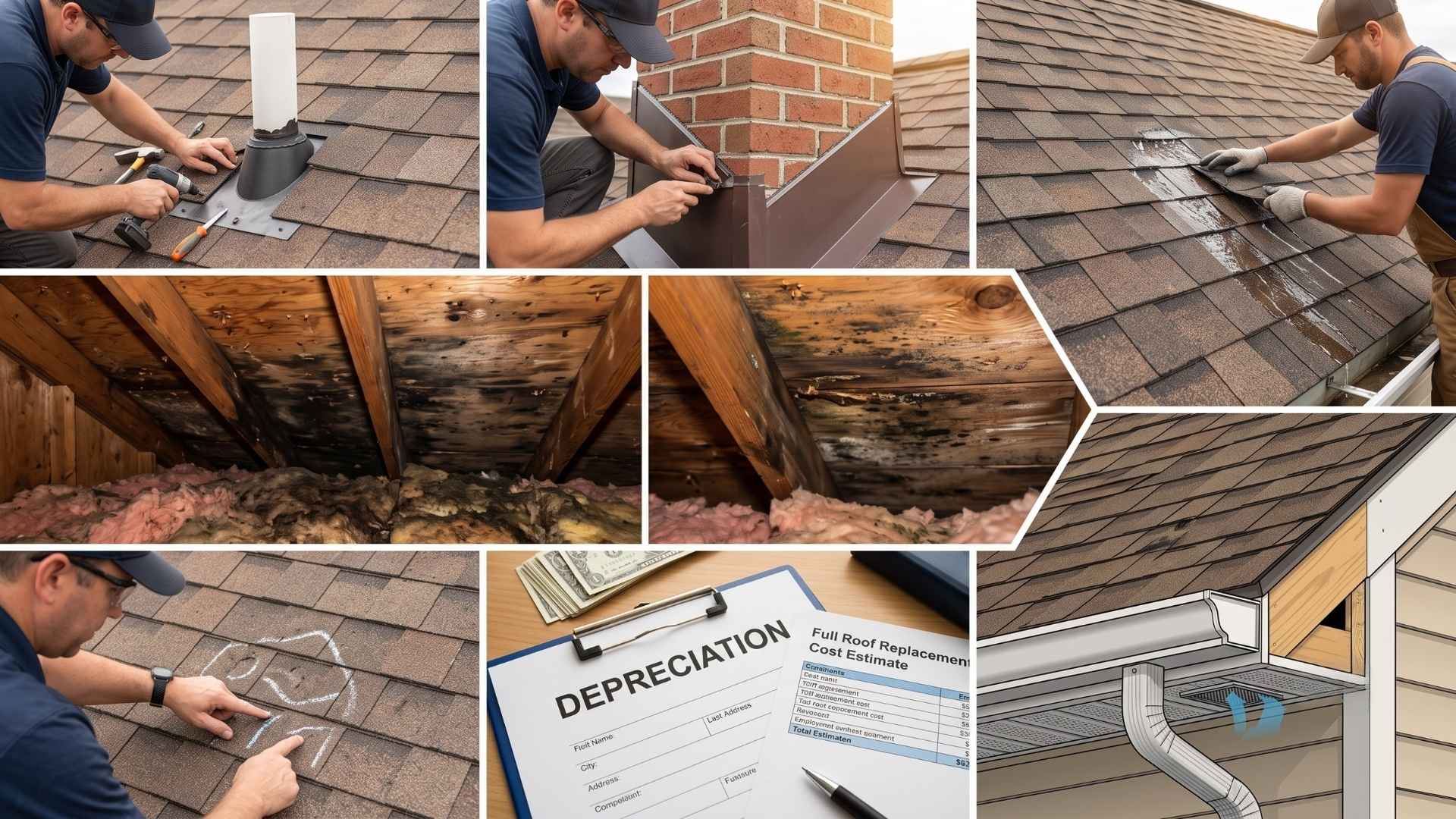
One leak does not automatically mean the entire roof has failed. A targeted repair is often enough, especially when the surrounding roofing system is still in good condition. The first step is diagnosing where water enters.
Leaks often begin to appear when a roof reaches roughly 10 to 15 years old, Ryan explains, but that does not always mean the shingles have reached the end of their useful life.
The leak may come from a damaged flashing detail, a plumbing boot, a wall transition, a window above the roofline, or even a clogged gutter. Water can travel before it becomes visible indoors, so a ceiling stain may be several feet from the entry point.
A proper inspection should evaluate the roof surface, penetrations, wall connections, gutters, attic, and surrounding exterior components before recommending repair or replacement.
A leak is a warning sign, not an automatic replacement order.
Do All Roofing Contractors Install Roofs the Same Way?
Roofing contractors may use similar materials, but the quality of installation can vary enormously. Mistakes involving nails, flashing, and penetrations can remain hidden for years.
The most difficult work happens around chimneys, plumbing stacks, walls, valleys, dormers, and other transitions. These areas demand precise flashing.
Nail placement also matters. A nail that is not driven flush can slowly work its way upward. Ryan explains that half-driven nails may not create a visible problem until seven to ten years later. Pneumatic nailers make installation faster, but changes in air pressure can cause inconsistent nail depth if the crew is not paying close attention.
Poor installation may leak long before a ceiling stain appears because water can first soak into insulation, decking, or framing.
Homeowners should ask how a contractor handles flashing, ventilation, penetrations, decking repairs, and quality control. A roof is only as dependable as its details.
Does the Most Expensive Shingle Guarantee the Best Roof?
A premium shingle or metal roofing product cannot make up for poor workmanship. High-end materials still depend on correct installation, flashing, ventilation, and a sound roof deck.
Ryan describes a homeowner who invested in a six-figure roofing system but hired an installer who failed to handle the wall flashing correctly. The roof leaked from the beginning. The contractor repeatedly applied caulking instead of rebuilding the transition properly.
Caulking can be useful in limited applications, but it is not a substitute for correctly installed flashing. When several layers and colors of sealant appear around the same problem area, it often indicates that the underlying defect was never corrected.
Repairing that roof required removing roofing and siding materials so the flashing could be rebuilt. The correction cost roughly 30 percent of the original roof price. The homeowner saved initially but paid more through repairs and years of frustration.
Ryan summarizes the lesson with a line homeowners should remember: “Price is what you pay now, and cost is what you pay later.”
Material quality matters, but workmanship determines whether it performs as designed.
Is a Roof Fine If It Is Not Leaking?
A roof can have moisture intrusion, damaged decking, or deteriorating framing even when no active leak is visible inside the home. By the time water reaches the ceiling, the problem may have been developing for months or years.
Water does not always drip directly into a finished room. It may enter an attic, garage, wall cavity, or area covered by insulation. The insulation can absorb repeated moisture before it becomes saturated enough to stain the drywall below.
A brown spot on a garage ceiling may seem minor, but it still indicates moisture. In serious cases, damage can extend beyond the sheathing into the framing.
Ryan compares this situation to a leaking sink. A homeowner may not know the cabinet floor is rotting until someone opens the door and looks underneath. Roof damage can develop the same way.
Inspections after major storms and as a roof ages can identify flashing, ventilation, and moisture problems before they become major repairs.
No visible leak does not mean no problem. It only means the damage has not become obvious yet.
Is Storm Damage Always Easy to See From the Ground?
Hail damage to shingles is rarely easy to confirm from the ground. A quick claim of roof damage should be supported by evidence elsewhere on the property.
Ryan says he has clearly identified hail damage from the ground only once in nearly three decades. That event involved softball-sized hail and severe, unmistakable destruction. Most storms require a closer and more methodical inspection.
A credible hail assessment begins at ground level. The inspector should look for damage to screens, gutters, downspouts, aluminum fascia, garage doors, painted siding, decks, and landscaping. Fresh hail may shred hostas and leave marks that resemble golf-ball impacts on soft surfaces.
Ryan notes that shingles are durable and that hail often needs to reach about 1.5 inches, roughly golf-ball size, before it begins causing meaningful damage.
Wind, roof age, material, impact angle, and shingle condition affect the outcome. Hail damage should be documented, not guessed.
Ask for photographs and a clear explanation of the findings. Evidence protects against missed damage and high-pressure sales tactics.
Will Homeowners Insurance Always Pay for Roof Damage?
Insurance coverage depends on the cause of damage, the roof’s age, the policy language, the deductible, the documentation, and whether the policy pays replacement cost or actual cash value.
Deductibles have increased, and some policies apply substantial depreciation to older roofing systems.
An actual cash value policy pays the depreciated value of the damaged roof rather than the full replacement price. Ryan gives an example of a roof that costs $20,000 to replace. If the insurer determines that half of its useful life has already been used, it may deduct about $10,000 for depreciation. After a $2,500 deductible, the homeowner could receive roughly $7,500.
A valid claim can still leave a large out-of-pocket balance. Every policy is different.
Before filing, review the deductible, settlement method, exclusions, roof age provisions, and documentation requirements.
Insurance is not a guarantee of a fully funded replacement.
Are Gutters, Siding, and Ventilation Separate From the Roof?
The roof, gutters, siding, flashing, soffits, and ventilation work together as one exterior system. A problem in any one of these areas can create symptoms that appear to come from the roof.
The exterior envelope is the group of components that controls water, heat, and outside air. Roof edges, gutters, flashing, siding, and attic ventilation must work together.
A clogged gutter can force water behind fascia, missing flashing can admit water behind siding, and poor ventilation can trap heat and moisture.
Ryan describes a home built around 2008 that had exhaust ventilation but no soffit intake. The upstairs contained an area that stayed about 15 degrees hotter than the rest of the home. The soffit was beginning to sag, and the house had not been breathing properly for roughly 15 years.
The correction involved installing about 20 soffit vents that cost approximately $1.75 each. The materials were inexpensive, but the missing intake had affected the home for years.
Right Roofing includes attic inspections because shingles are only one part of the solution.
How Can Iowa Homeowners Avoid Costly Roofing Mistakes?
Homeowners can avoid many roofing mistakes by choosing diagnosis over assumptions. Ask the contractor to identify the exact source of the problem, document the evidence, and explain how the proposed work addresses the entire exterior system.
A trustworthy inspection should examine the roof, flashing, attic, ventilation, siding transitions, gutters, and storm indicators, then explain whether repair or replacement is appropriate.
Before hiring, ask about crew training, flashing, nail placement, property protection, hidden damage, photographs, and workmanship warranties.
For storm concerns, confirm the damage and understand the policy before filing a claim.
Right Roofing’s nearly three decades of local experience bring knowledge of Iowa weather, construction practices, ventilation, siding, and gutters.
The best decision is not always the biggest project. It is the solution that correctly addresses the cause.
What Should Homeowners Remember About Roofing Myths?
Roofing decisions should be based on evidence, not assumptions. A single leak may need only a repair. Premium products still require skilled installation. Hidden moisture can exist without an obvious stain. Hail damage requires documentation, and insurance may cover less than the full replacement cost.
Most importantly, the roof is part of a connected system. Gutters, siding, flashing, soffits, and attic ventilation all influence how well the home stays dry and comfortable.
Right Roofing approaches each home by looking beyond the shingles. That whole-home perspective helps homeowners make informed choices, avoid unnecessary work, and correct problems before they become more expensive. When you need guidance about roofing Iowa homes can depend on, start with a complete inspection and an honest explanation of what the property actually needs.
Want to Hear the Full Roofing MythBusters Conversation?
Watch the full Right at Home podcast episode on YouTube to hear Mike Downer and Ryan Johnson explore hidden leaks, failed flashing, hail inspections, insurance depreciation, installation mistakes, and attic ventilation. The conversation shows how an experienced contractor evaluates a problem before recommending repair or replacement.
Frequently Asked Questions
Can one roof leak be repaired without replacing the whole roof?
Yes. Many isolated leaks can be repaired when the surrounding roof remains in good condition. The contractor should first identify whether the water is entering through shingles, flashing, a plumbing boot, a wall transition, a window, or a gutter.
How can I tell whether a roofing contractor is qualified?
Ask about crew training, flashing methods, ventilation, nail placement, inspections, workmanship warranties, and local experience. A qualified contractor should clearly explain the process and provide documentation rather than relying on pressure or vague promises.
Can hail damage exist even when my shingles look normal?
Yes. Hail damage may be difficult to see from the ground. Check gutters, screens, downspouts, siding, fascia, garage doors, decks, and landscaping for impact marks, then schedule a professional inspection.
Does a more expensive shingle last longer?
It may offer added durability or features, but installation remains critical. Even premium materials can fail when flashing, fastening, underlayment, or ventilation is handled incorrectly.
What does actual cash value mean for a roof claim?
Actual cash value is the roof’s replacement cost minus depreciation. An older roof may receive a lower claim payment because the insurer considers part of its useful life already used.
Can poor attic ventilation damage a roof?
Yes. Inadequate ventilation can trap heat and moisture, affect the roof deck, contribute to condensation, and make upper rooms less comfortable. Balanced intake and exhaust ventilation are both necessary.
Should I file an insurance claim before calling a roofer?
Not always. A professional inspection can help determine whether storm damage is present before a claim is filed. Homeowners should also review their deductible, coverage type, and roof-related policy terms.
How often should a roof be inspected?
A roof should be inspected after a major storm, when leaks or stains appear, before buying or selling a home, and periodically as it ages. The right schedule depends on the roof’s condition, materials, and exposure.