When to Call a Roofer Before Filing a Roof Insurance Claim in Iowa
After a hailstorm, high winds, or a hard Iowa rain, it is tempting to call your insurance company right away. But filing a roof insurance claim Iowa homeowners are not prepared for can create stress, delays, and unexpected costs. In many cases, the smarter first move is to have a reputable local roofer inspect the roof, document the damage, and help you understand what may have caused the problem.
Why Calling a Roofer First Can Be the Smarter Move
A roof claim is not just a phone call. Once you file, you are starting a formal process with your insurance carrier. That process may help when there is real storm damage, but it can create problems if the damage is minor, old, excluded, or below your deductible.
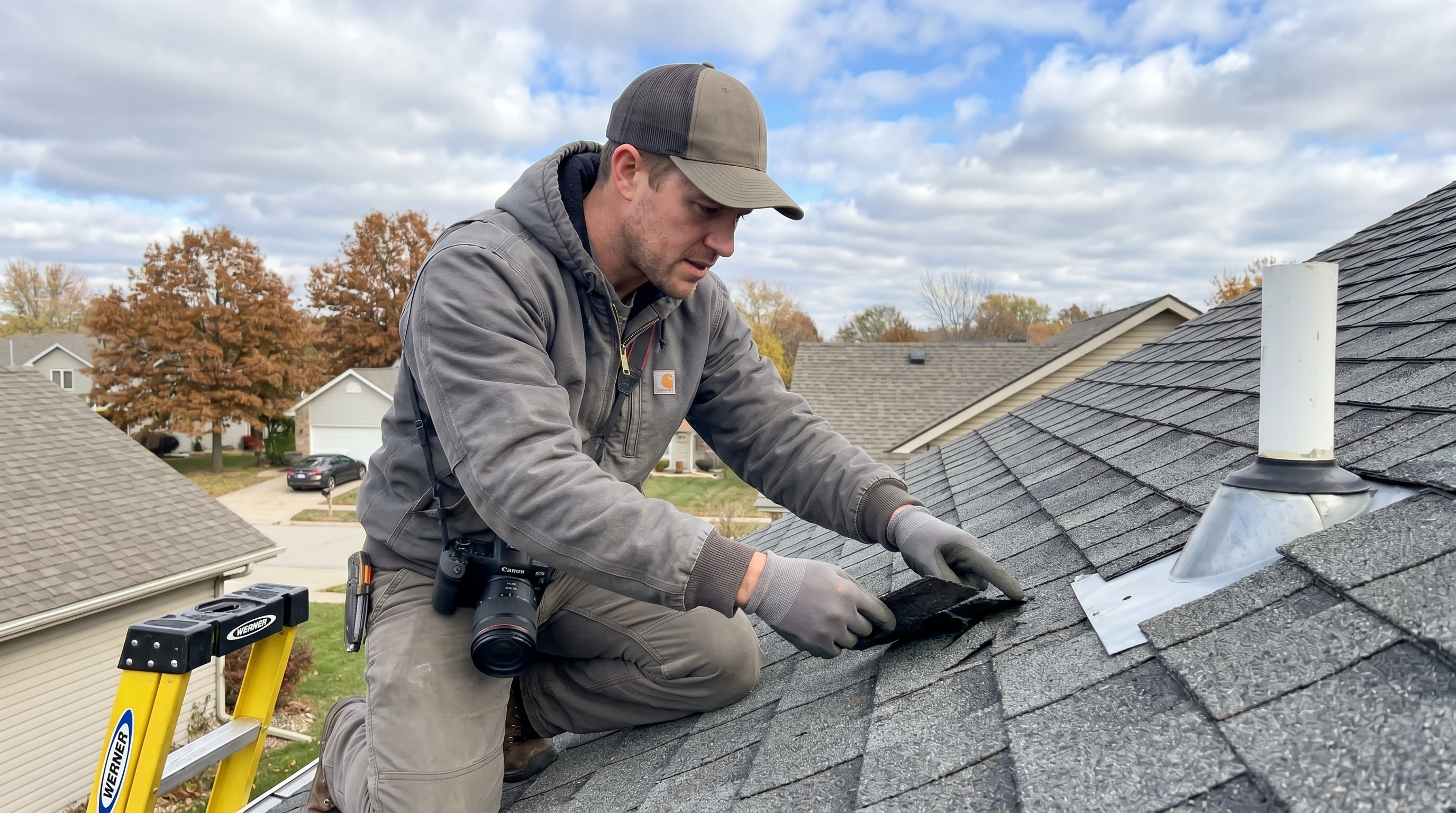
A professional inspection gives you useful information before that process starts. A roofer can review shingles, flashing, vents, pipe boots, gutters, soft metals, and interior signs of water intrusion. More importantly, they can help determine whether the damage appears connected to a sudden storm event.
Ryan Johnson of Right Roofing explained the core issue clearly in the podcast: “The short answer is: it depends on what caused the damage.” That is the starting point for almost every roof insurance question. Storm damage may be covered, depending on the extent of it. Maintenance issues, poor installation, and damage that cannot be tied to a storm are much harder to support.
A roofer does not approve or deny insurance coverage. That is the insurance company’s role. But a qualified local roofer can help you understand what you are dealing with before you decide whether a claim makes sense.
Insurance Usually Looks at the Cause of Roof Damage
Homeowners often ask, “Will insurance pay for my roof?” The honest answer is: it depends. Insurance is not designed to replace an aging roof simply because it is old. It is designed to help with covered losses caused by specific events listed in the policy.
In Iowa, that often means hail, wind, derecho damage, fire, or a tree falling onto the home. These are sudden and accidental events. They happen at a specific time, usually leave a damage pattern, and can often be connected to a known storm or loss.
Gradual damage is different. A roof leak around a chimney may have started months ago. A cracked pipe boot may have been deteriorating for years. Shingles may blister because the attic is not ventilated properly. Those problems can be serious, but they are not automatically insurance issues.
The Iowa Insurance Division explains that roof coverage is typically handled under dwelling coverage when damage is caused by a covered peril such as wind, hail, or fire. That does not mean every roof problem is covered. Policy terms, cause of damage, deductible, roof condition, and settlement type all matter.
Sudden and Accidental Damage vs. Gradual Damage
This is one of the most important distinctions for homeowners. It can be the difference between a strong claim and a frustrating denial.
Sudden and accidental damage
Sudden and accidental damage is tied to a specific event. A hailstorm moves through Des Moines and leaves impact marks on shingles and soft metals. High winds lift, crease, or tear shingles. A derecho sends a tree limb through the roof. These are the kinds of events homeowners insurance is commonly built to address, assuming the policy covers the peril and the damage meets the carrier’s standards.
Ryan described sudden and accidental damage as “something like a tree falling on your house, or hail or wind damage.” He also pointed to the Iowa derecho as the kind of event that fits this category. The key is that the damage can be traced to an actual event, not just normal roof aging.
Gradual damage
Gradual damage happens slowly. A small leak goes unrepaired. Flashing fails over time. Poor ventilation causes shingles to overheat, blister, and age early. A homeowner may notice the issue only after water appears inside, even though the problem has been building for a while.
Insurance companies commonly push back on gradual damage because they view it as maintenance-related. As Ryan said, gradual damage can include “poor ventilation causing blistering on the roof, or a leak around a chimney that wasn’t repaired.” Routine roof care protects the roof and gives the homeowner a stronger position if a storm claim becomes necessary later.
Roof Maintenance Can Affect the Strength of a Claim
A well-maintained roof tells a better story. When an adjuster sees that the roof has been reasonably cared for, it is easier to separate new storm damage from ordinary wear. When maintenance has been ignored, the claim becomes harder to support.
In the podcast, Ryan pointed to pipe flashings as a common example. He explained that if maintenance has been deferred and a leak develops around something like a pipe flashing, “that’s typically not going to be covered.” The same logic can apply to chimney leaks, old flashing problems, or prior interior stains that were never repaired.
That does not mean you need to climb on the roof every month. It means the roof should be checked regularly, especially after storms and before small problems become expensive ones. A yearly inspection, gutter maintenance, and timely repairs can go a long way.
Ryan compared roof care to car care: “You’re not going to buy a car and never wash it or change the oil, right?” Your roof is one of the most expensive systems protecting your home. It deserves the same kind of routine attention.
Why Roof Age Matters More Than Homeowners Realize
Many homeowners are surprised to learn that the age of the roof can affect the claim payout. A storm may damage the roof, but the amount paid can still depend heavily on the policy.
There are two terms every homeowner should know: Replacement Cost Value and Actual Cash Value.
Replacement Cost Value, or RCV
Replacement Cost Value coverage is generally the stronger option. With RCV, the policy is designed to help pay the cost to repair or replace covered damage using similar materials, subject to policy limits and the deductible.
Ryan was direct about which policy type homeowners usually want: “That’s the policy you want.” RCV often comes with a higher premium, but it can make a major difference when a storm damages an older roof.
Actual Cash Value, or ACV
Actual Cash Value factors in depreciation. The older the roof is, and the less useful life it has left, the lower the payout may be.
Ryan gave a clear example in the podcast. If a roof costs $20,000 to replace and it is 15 years into a 20-year lifespan, the insurance company may calculate that the roof has already used most of its life. In that scenario, the payout could be a fraction of the replacement cost, and the deductible would still come out of that amount.
The National Association of Insurance Commissioners describes ACV as the depreciated cost to repair or replace damaged property. The Iowa Insurance Division also notes that ACV roof coverage is typically less expensive than replacement cost coverage, but the claim payment may not be enough to replace the roof.
That is why calling a roofer before filing can be useful, especially if your roof is older. A good roofer can help you understand the likely scope of damage, while your insurance agent can confirm whether your policy is ACV or RCV.
Do Not Ignore Your Deductible
A deductible can change the entire claim decision. Even when there is damage, filing may not make financial sense if the repair cost is close to or below the deductible. This is especially true if your policy has a separate wind or hail deductible.
Ryan shared a cautionary example from the field. A homeowner with an ACV policy and a $10,000 deductible was convinced by a storm chaser to file a claim over minimal damage. The homeowner received only about $1,200, then faced pressure from the insurance company to replace the roof.
That story is not meant to scare homeowners away from valid claims. It shows why the first move matters. If the deductible is high, the roof is older, and the damage is limited, a claim may not help as much as expected.
Before filing, review your declarations page. Look for your deductible, roof settlement type, exclusions, and any wind or hail endorsements. If anything is unclear, ask your insurance agent to explain it in plain language.
When You Should Call a Roofer Before Insurance
There are several situations where calling a reputable roofer first is the safer choice. The goal is not to delay a valid claim. The goal is to make an informed decision before opening one.
Call a roofer first if there was hail, wind, or derecho activity nearby and you are not sure whether your roof was damaged. Storms can affect one side of a neighborhood more than another, and roof damage is not always visible from the ground.
You should also call a roofer first if a door-knocking contractor tells you to file immediately. A local inspection gives you a second opinion before you sign anything or start a claim that may not benefit you.
A roofer should inspect the roof before a claim if you have a leak but do not know where it started. Interior water does not always mean storm damage. It may be a flashing issue, a pipe boot failure, clogged gutters, ice-related backup, or an older maintenance problem.
An inspection is also wise if the roof is older than 7 to 10 years, if you do not know whether your policy is ACV or RCV, or if your deductible is high. Those factors can dramatically change the financial outcome.
What a Professional Roof Inspection Should Include
A proper roof inspection should be more than a quick glance from the driveway. It should look at the condition of the roof system and identify whether there are signs of storm damage, age-related wear, or maintenance concerns.
The roofer should check shingles for bruising, missing granules, lifted edges, creasing, tears, and exposed matting. They should also review ridge caps, vents, flashing, pipe boots, valleys, skylights, gutters, downspouts, and soft metal components that may show hail impact.
If there is an interior leak, the inspection may also include attic or ceiling review. Water often travels before it becomes visible, so the stain inside the home may not be directly below the entry point.
Documentation is a key part of the inspection. Ryan explained that good documentation helps “tell the story of what happened.” That includes detailed photos, a clear record of the damage, and accurate estimates if the homeowner decides to move forward.
A trustworthy roofer should also be willing to say when a claim is not the right move. That kind of honesty is what separates a local advisor from a contractor who is only chasing the next job.
Be Careful With Storm Chasers After Iowa Storms
After a major Iowa storm, door knockers often show up fast. Some may be legitimate contractors, but many are storm chasers who move from market to market after hail, wind, and tornado events. Their goal is to get signatures quickly before homeowners have time to compare options.
Ryan’s advice in the podcast was direct: “Homeowners should never sign paperwork or contingency agreements from storm chasers.” A rushed signature can limit your choices and push you into a claim before you understand your roof, policy, or deductible.
Watch for red flags. Be cautious if someone promises a “free roof,” tells you there is no downside to filing, asks you to sign on the spot, or avoids discussing your deductible. Be careful if the contractor has no established local reputation, no clear office presence, or no willingness to provide a transparent estimate.
A local contractor has to live with their reputation after the storm passes. That accountability matters. Right Roofing positions itself around a no-pressure approach, honest estimates, and local experience with Iowa homeowners and insurance-related roofing work.
How Local Documentation Helps During the Claim Process
Insurance claims rely on evidence. The more clearly the damage is documented, the easier it is to explain what happened. A reputable roofer can help organize that evidence before the adjuster arrives or after the insurance estimate is issued.
Good documentation may include photos of hail impacts, wind-lifted shingles, missing shingles, damaged vents, dented gutters, interior stains, and affected roof slopes. It may also include measurements, repair notes, and a detailed estimate with the correct line items.
Ryan mentioned that insurance estimates can miss items. Sometimes code upgrades are overlooked. Sometimes line items are left out. A contractor who understands roofing and local requirements can compare the insurance scope against what the roof actually needs.
This is where a local roofing company earns trust. They are not there to replace the insurance adjuster. They are there to provide roof-specific expertise, accurate documentation, and a clear explanation of the work required to restore the home properly.
The Best Roofers Help You Make a Better Decision
The best roofing companies do not push every homeowner into an insurance claim. They help homeowners understand the roof, the damage, and the options. That approach builds trust because it puts the homeowner’s long-term financial interest first.
Right Roofing’s authority comes through in the way Ryan discusses claims. He does not present insurance as a shortcut or a sales tool. Instead, he explains the difference between storm damage and maintenance, warns homeowners about ACV surprises, and encourages documentation before action.
That is the kind of guidance Iowa homeowners need. Roof damage is stressful enough without pressure tactics, confusing policy language, or rushed decisions. A local expert can slow the process down just enough to help you make the right move.
When in doubt, start with facts. Get the roof inspected. Understand the cause of the damage. Review the deductible. Confirm whether the roof is ACV or RCV. Then decide whether a claim is worth filing.
Watch the Full Podcast Episode on YouTube
Before you start a roof insurance claim Iowa homeowners may not fully understand, take time to hear the full conversation. In the Right at Home podcast episode, Ryan Johnson of Right Roofing talks through storm damage, ACV vs. RCV coverage, deductibles, maintenance issues, storm chasers, and the value of a professional inspection before filing. Watch the full episode on YouTube to get the complete discussion and hear Ryan’s practical advice directly from the source.
FAQs About Calling a Roofer Before Filing an Insurance Claim
Should I call a roofer before my insurance company?
Yes, it is often smart to call a reputable roofer first if you are unsure what caused the damage. A roofer can inspect the roof, document the condition, and help you determine whether the issue appears storm-related before you open a claim.
Does homeowners insurance cover hail damage to a roof in Iowa?
Hail damage is commonly covered when it is sudden, accidental, and included as a covered peril in the policy. Coverage still depends on the extent of damage, roof age, deductible, policy exclusions, and whether the roof is covered at ACV or RCV.
Can insurance deny a roof claim for lack of maintenance?
Yes. If the damage is tied to deferred maintenance, old leaks, failed flashing, poor ventilation, or normal wear and tear, the insurance company may deny the claim. That is why regular maintenance and documentation are important.
What is the difference between ACV and RCV roof coverage?
RCV, or Replacement Cost Value, is based on the cost to replace covered damage, subject to policy terms and the deductible. ACV, or Actual Cash Value, subtracts depreciation based on the roof’s age and condition, which can leave homeowners paying much more out of pocket.
Is filing a roof claim always worth it?
No. Filing may not be worth it if the damage is minor, the deductible is high, or the roof is covered only at actual cash value. An inspection can help you understand whether the claim is likely to provide meaningful financial help.
What should I do if a storm chaser knocks on my door?
Do not sign anything under pressure. Ask for credentials, local references, proof of insurance, and a written estimate. It is wise to get an opinion from an established local roofing contractor before filing a claim or agreeing to any work.
What should a roofer document before an insurance claim?
A roofer should document visible storm damage, roof condition, affected slopes, damaged vents or soft metals, interior leaks, and repair or replacement needs. Clear photos and a detailed estimate can help support the claim process.
Can a roofer tell me whether insurance will approve my claim?
No roofer can guarantee claim approval. Only the insurance company can make that decision. A roofer can, however, identify damage, explain likely causes, provide documentation, and help you understand whether filing may be reasonable.