Why Small Roofing Problems in the Midwest Quickly Turn Costly and How to Catch Them Early
Small roof issues rarely stay small in the Midwest. Wide swings between heat, cold, wind, and storms accelerate wear and allow minor problems to grow into costly repairs. This guide explains the local weather conditions that contribute to roofing damage, the small issues that often become major repairs, and the steps homeowners can take to spot problems early.
Which Midwest Weather Conditions Drive Small Roofing Problems?
Midwest weather changes quickly, and that constant shifting puts real stress on roofing systems. Understanding which weather patterns cause the most damage helps homeowners catch problems before they become serious.
How Do Freeze Thaw Cycles Weaken Roofs in Iowa?
When temperatures move above and below freezing, water trapped in shingles, flashing, or seams freezes and expands. That expansion widens cracks, loosens fasteners, and gradually weakens roofing materials.
In Iowa, freeze thaw cycles are common throughout winter and early spring. The damage often develops slowly and quietly, making it easy to miss until larger issues appear. Homeowners should be especially cautious after warm days that quickly turn cold overnight.
How Do Hail, Wind and Ice Dams Contribute to Roof Damage?
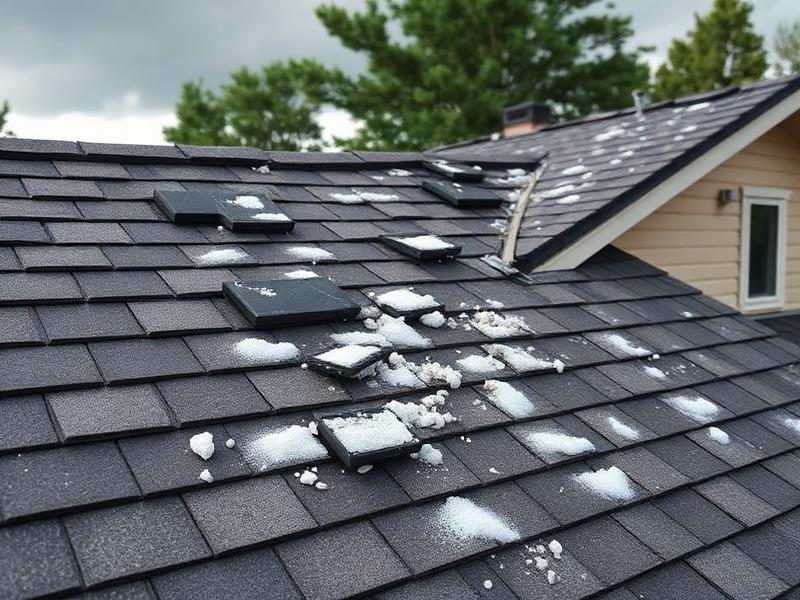
Hail can dent or puncture shingles and roof vents. Strong winds can lift and tear shingles away from the roof surface. Ice dams trap melting water along the roof edge and force moisture underneath roofing layers.
After major storms, homeowners should walk around the property and look for missing shingles, bent flashing, or debris buildup in gutters. Identifying storm damage early can prevent minor issues from becoming expensive repairs.
Which Common Small Roofing Problems Often Lead to Big Repairs?
Some roofing problems appear small at first but can quickly lead to major repairs if left unresolved. Catching these issues early saves both time and money.
What Are the Visible Signs of Missing Shingles and Leaks?
Watch for shingles that are missing, curled, or cracked. Dark streaks on the roof surface or water stains on ceilings may also indicate trouble. Exposed underlayment or gaps around vents and flashing are additional warning signs.
If these issues are ignored, water can reach the roof deck and framing, creating conditions for mold, rot, and structural damage.
How Do Clogged Gutters and Poor Ventilation Speed Roof Deterioration?
Clogged gutters can force water back underneath shingles and into fascia boards and soffits. Poor attic ventilation traps heat and moisture, accelerating shingle deterioration and encouraging mold growth.
Keeping gutters clear and ensuring proper attic ventilation are two simple steps that help prevent premature roof failure.
How Can Early Detection Keep Repairs Small?
Finding roofing issues early is one of the most effective ways to control repair costs. Regular inspections and quick repairs prevent minor damage from spreading.
What Visual and Interior Clues Point to Roof Damage in Ankeny and Nearby Areas?
Homeowners should watch for curled or buckled shingles and inspect ceilings and attic spaces for damp spots, peeling paint, or musty odors. These interior signs often indicate that moisture has already entered the roof system.
After severe weather, performing a quick visual inspection around the home can reveal new problems that need attention.
Why Are Professional Roof Inspections Worthwhile for Midwest Homes?
Professional inspections often reveal roofing issues that homeowners might miss. Experienced inspectors can identify hidden leaks, failing flashing, or weakened decking before the damage becomes severe.
A professional inspection also provides practical recommendations for materials and maintenance strategies suited to Midwest weather conditions.
What Preventative Maintenance Stops Small Issues from Becoming Big?
Routine maintenance helps roofs perform better and last longer. Seasonal maintenance tasks play a major role in preventing unexpected repairs.
Which Seasonal Maintenance Steps Are Best for Pella and Central Iowa?
In Central Iowa, homeowners should clean gutters and downspouts in the fall, monitor for ice dams during winter, and inspect for storm damage in the spring.
Removing debris from the roof, trimming tree branches near the home, and checking flashing and roof penetrations after storms can significantly reduce the risk of hidden damage.
How Do Quality Materials and Timely Repairs Extend Roof Life?
Using durable shingles, quality flashing, and proper underlayment during installation helps a roof withstand harsh Midwest weather. When damage appears, prompt repairs prevent the problem from spreading.
Together, quality materials and timely repairs can add many years to a roof’s lifespan.
How Right Roofing and Siding Helps Midwest Homeowners Prevent Roof Damage
Right Roofing and Siding helps homeowners prevent and repair roof damage through experienced installation, targeted repairs, and ongoing maintenance. Our team focuses on proper sealing, insulation, and flashing to help keep homes protected from leaks and drafts.
What Storm Repair and Maintenance Services Does Right Roofing Offer?
Our team handles storm cleanup and repairs, roof replacements, siding work, and window and skylight services. We identify storm related issues such as lifted shingles, damaged flashing, and compromised vents, then repair them using durable materials and careful workmanship.
How Do Free Estimates and Financing Help Homeowners Act Sooner?
Right Roofing provides free estimates and flexible financing options to help homeowners address roofing issues quickly. Acting early allows small repairs to stay manageable and prevents damage from turning into a much larger expense.