
Storm Damage Roof Repair Des Moines | Ground Inspection Guide
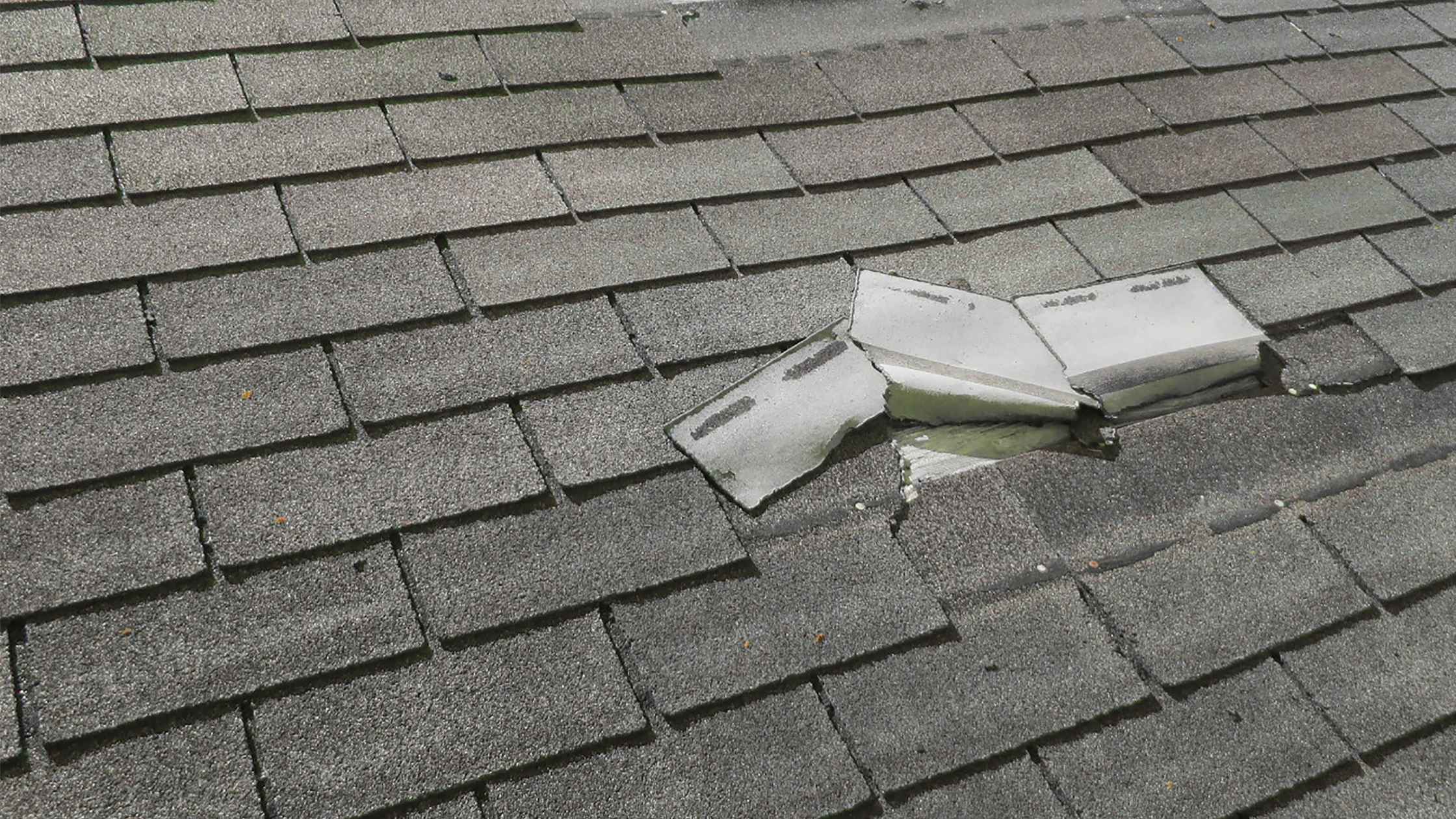
After a strong storm, most homeowners look up and wonder what happened to the roof. When storm damage roof repair Des Moines searches start, safety should come first. You do not need to climb onto shingles to spot early warning signs. Stay on the ground. A safe first check starts around the outside of the home, then moves inside to ceilings, walls, and attic access points.
Stay Off the Roof First
A roof might look fine from the driveway and still be unsafe after hail, wind, or heavy rain. Wet shingles get slick. Loose granules make footing unstable. Lifted shingles, damaged flashing, or soft decking raise the risk of a fall.
Ryan Johnson of Right Roofing gives homeowners a clear first step after a storm: “Don’t get up on your roof. There’s really nothing for you to do up there.” His point is simple. Homeowners do not need to risk injury to gather useful information.
Your job after a storm is to slow down, stay safe, and document what you see. A professional roofer knows where to step, what to inspect, and how to tell surface marks apart from roof damage needing repair.
Storms also leave hazards around the yard. Watch for downed power lines, broken branches, loose glass, slick sidewalks, and debris hidden in grass. Wait for the storm to pass before walking outside. Stay away from damaged trees, low wires, and unstable overhangs.
Start With a Ground-Level Walkaround
Once conditions look safe, walk around your home with your phone. Take photos and short videos. You are not building a full roof report. You are recording what changed after the storm.
Start at the front of the house and move around each side. Take wide photos of the whole exterior. Then take closer shots of dents, cracks, loose pieces, broken branches, torn screens, or anything out of place.
Video helps because it shows where each problem sits on the property. For example, a short clip moving from a dented downspout to damaged siding tells a clearer story than one close-up photo with no context.
Do not use a ladder for a better angle. Do not lean out of windows. Do not climb onto a porch roof or garage roof. If you cannot see an area safely from the ground, leave it for a roofing professional.
During the podcast, Johnson said homeowners should document damage to “tell the story for the insurance company.” Use that idea as your guide. Your photos should show when the storm hit, how hard it hit, and which parts of the home show possible damage.
Look for Hail Clues Around the Home
Hail damage on shingles is hard to spot from the ground. Bruising, mat damage, and granule loss often require a close inspection. Still, hail leaves clues on other parts of the property.
Start with gutters and downspouts. Look for dents, dimples, bent sections, or loose seams. Thin metal often shows hail impact before the roof looks different from below.
Next, check garage doors, siding, window screens, roof vents, and metal trim. Dents in these areas suggest the storm hit with enough force to affect the roof too.
Landscaping also matters. Johnson mentioned shredded hostas and leaves after hail. He said the yard might look like fall because leaves end up all over the ground. Plants, flowers, and shrubs help show the force of the storm.
If hailstones remain on the ground, place a quarter next to one and take a photo. This gives scale. Stay on the ground while doing this. Do not climb onto the roof to look for hailstones.
Hail damage does not always lead to an immediate leak. A roof might lose granules or suffer shingle damage without water entering the home right away. Those small signs still deserve attention.
Check for Wind Damage From the Ground
Wind damage often shows up in a different way. Stand back from the house and look across the roofline. Search for sections with missing shingles, uneven rows, lifted edges, or areas with exposed material.
Look in the yard for pieces of shingles or roofing accessories. Strong wind sometimes tears off tabs, ridge caps, flashing, or small roof components. Debris on the roof also matters, especially after falling branches.
Loose flashing near chimneys, sidewalls, and roof edges deserves attention. So do bent fascia, separated gutters, or soffit panels hanging out of place. These clues point to wind pressure on the home.
Some wind damage hides from the ground. A shingle might lift during a gust, break its seal, and settle back down. From the driveway, the roof might look normal. A professional inspection helps catch those problems before rain finds a path inside.
Branches need special attention. A small limb might scuff shingles. A larger limb might puncture the roof or damage decking. If a tree or large branch lands on the roof, treat the situation as urgent and call a local roofer for mitigation.
Inspect Gutters, Downspouts, and Soft Metals
Gutters and downspouts give homeowners some of the clearest storm clues. Hail leaves dents. Wind pulls sections loose. Heavy rain exposes drainage problems.
Walk around the home and look for bent gutters, loose brackets, separated seams, sagging runs, or spots pulling away from the fascia. Look at downspouts from top to bottom. Small dents clustered together often point to hail impact.
Check the ground near downspout exits for piles of shingle granules. Asphalt shingles rely on granules for sun protection. A few granules after a storm do not prove roof failure, but heavy buildup deserves a professional look.
Also check vents, flashing, metal trim, and garage doors. These surfaces are easier to photograph from the ground and help a roofer understand the storm pattern.
Dented metal does not always mean the roof needs replacement. It means the home took impact. A qualified roofer should inspect the shingles, accessories, flashing, and ventilation parts before anyone talks about repairs or claims.
Look Inside for Moisture and Ceiling Changes
After the outside check, go indoors. Start on the upper level of the home. Roof leaks often show first on ceilings, near light fixtures, around exterior walls, or near attic openings.
Fresh moisture does not always start as a brown stain. Johnson explained in the podcast that early moisture might look like a shadow before it dries and darkens. Many homeowners miss this sign because they expect a clear stain.
Look for dripping water, soft drywall, bubbling paint, damp insulation, musty smells, or water collecting above the ceiling. If water drips, place a bucket under the spot and move furniture, electronics, and valuables away.
A bulging ceiling needs fast attention. Water trapped above drywall spreads and adds weight. Call a professional before poking or cutting into the area unless someone has given clear guidance for your situation.
Do not assume every leak starts right after a storm. Hail damage often shows up later. Wind damage might create a weak point, then the next rainstorm brings water inside. Keep an eye on ceilings for several days after the storm.
Check the Attic Only When Safe
The attic often reveals problems before living spaces do. Wet insulation, dark roof decking, daylight through roof openings, moisture on rafters, or active dripping all point to roof trouble.
Only look in the attic if access is safe, stable, and well lit. Do not walk across exposed joists unless you know how to move in an attic. Do not enter spaces with electrical hazards, pests, heavy moisture, or poor footing.
A quick look from the attic opening still helps. Use a flashlight and scan the underside of the roof deck. If you see wet spots, dark streaks, or daylight, take photos from a safe position and share them with your roofer.
Document Damage Before Repairs Begin
Good documentation helps everyone understand what happened. Your roofer, insurance adjuster, and future repair team all benefit from clear photos and a clean timeline.
Take wide photos of each side of the home. Then take close-ups of visible damage. Photograph hail beside a coin, dented downspouts, damaged gutters, torn screens, broken branches, roof debris, damaged landscaping, ceiling stains, attic moisture, and any temporary protection used inside.
Try to take photos within the first 24 to 72 hours after the storm. Save weather alerts, neighborhood photos, and timestamps when available. These details help connect the damage to the storm event.
Avoid permanent repairs before a professional documents the damage. Temporary protection is different. Buckets, interior coverings, and professional tarping help prevent more damage. Replacing materials too early might erase evidence before the roof gets assessed.
Know When Roof Damage Needs Immediate Help
Some storm damage waits for a scheduled inspection. Other damage needs help right away. Focus on safety, water entry, and structural risk.
Call for help if a tree sits on the roof, water enters the home, a ceiling sags, a skylight breaks, decking is exposed, or a large roof section is missing. Treat electrical issues with care, especially when water sits near outlets, fixtures, or wiring.
Johnson made a clear distinction in the podcast. A hailstorm often does not create moisture problems in the first 24 to 72 hours. A tree on the roof is different. Obvious damage needs fast mitigation.
If the home feels unsafe, leave the area and contact emergency services when needed. A roofing company handles roof mitigation, but personal safety comes first.
Call a Local Roofer Before Insurance in Most Cases
Homeowners often ask who to call first, the roofer or the insurance company. In many storm situations, a reputable local roofer should inspect first. A professional inspection helps decide whether the damage supports a claim.
This step helps homeowners avoid unnecessary claims. It also gives them a clearer picture of roof condition before speaking with insurance. If severe damage is obvious, such as a tree through the roof or active water entry, mitigation and insurance notification should happen quickly.
The best guidance comes from someone who understands local roofs, local storms, and the insurance process. Right Roofing serves Des Moines and Central Iowa with this kind of local perspective. The team looks at what the home needs instead of pushing every homeowner toward the same answer.
A strong roofing company gives honest direction, even when the right answer is repair, monitoring, or no claim. That approach builds trust and gives homeowners more control after a stressful storm.
Be Careful With Storm Chasers and Door Knockers
After a major storm, out-of-area contractors often move through neighborhoods. Some work honestly. Others focus on fast signatures and high volume.
Do not sign at the door because someone scared you. Pressure is a warning sign. Ask where the company is based, how long the team has served the area, whether they carry proper insurance, and who handles problems months later.
Johnson spoke plainly about storm chasers: “These guys are not your friends.” His concern is that some companies lock homeowners into agreements, move fast, and leave once storm work slows down.
A local roofer lives with the results. The team stays nearby if the roof has a problem later. That accountability matters when your home, warranty, and peace of mind are involved.
What Not to Do After a Storm
A calm homeowner makes better decisions than a rushed one. Avoid choices that create risk, pressure, or confusion.
Do not climb onto the roof. Do not sign with a door knocker. Do not ignore active leaks. Do not assume small exterior signs mean the roof is fine. Do not make permanent repairs before documentation. Do not file a claim before learning whether the damage warrants one.
At the same time, do not wait too long when damage is clear. The first 24 to 72 hours help you capture fresh evidence, reduce further damage, and get professional guidance before the situation grows more complicated.
The right process is simple. Stay safe, take photos, protect the interior, and call a local roofer who will tell you the truth.
Watch the Full Podcast on YouTube
For more practical guidance, watch the full Right at Home podcast episode on YouTube. Mike Downer and Ryan Johnson explain what to do in the first 24 to 72 hours after a storm, including how to document damage, when to call a local roofer, and why storm chasers create problems.
Frequently Asked Questions
How do I know if my roof has storm damage from the ground?
Look for missing shingles, dented downspouts, damaged gutters, roof debris, shredded plants, loose flashing, and water stains indoors. These signs do not confirm the full damage level, but they show when a professional roof inspection makes sense.
What does hail damage look like around a house?
Hail often leaves dents in gutters, downspouts, garage doors, vents, and other soft metals. It also tears screens, shreds plants, scatters leaves, and leaves hailstones on the ground. Roof shingle damage often needs a closer inspection.
Should I climb onto my roof after a storm?
No. Climbing onto a roof after a storm is dangerous. Wet shingles, loose granules, hidden damage, and unstable surfaces raise fall risk. Stay on the ground and call a professional roofer when you suspect damage.
Should I call a roofer or my insurance company first?
In many cases, call a reputable local roofer first. An inspection helps confirm whether damage supports a claim. If a tree hits the roof, water enters the home, or the damage is severe, contact help right away and notify insurance as needed.
How soon should I check for storm damage?
Check your property once the storm passes and conditions are safe. The first 24 to 72 hours are important for fresh photos, temporary protection, and professional guidance.
What photos should I take after a storm?
Take wide photos of each side of the home, close-ups of visible damage, hail beside a coin, dented downspouts, damaged landscaping, roof debris, and any interior leaks or ceiling stains. Short videos also help show context.
Is a small ceiling stain after a storm serious?
A small stain might point to a larger moisture problem above the ceiling. Fresh leaks often begin as shadows before turning brown. Document the stain and contact a local roofer for an inspection.
Why should I avoid storm chasers after roof damage?
Some storm chasers pressure homeowners to sign quickly, then leave once storm work slows. A local roofer offers stronger accountability, follow-up service, and long-term support.
For storm damage roof repair Des Moines, the episode gives homeowners a calm, local perspective for making confident decisions.