
Roof Repair Des Moines: Why Most Leaks are Flashing Failures
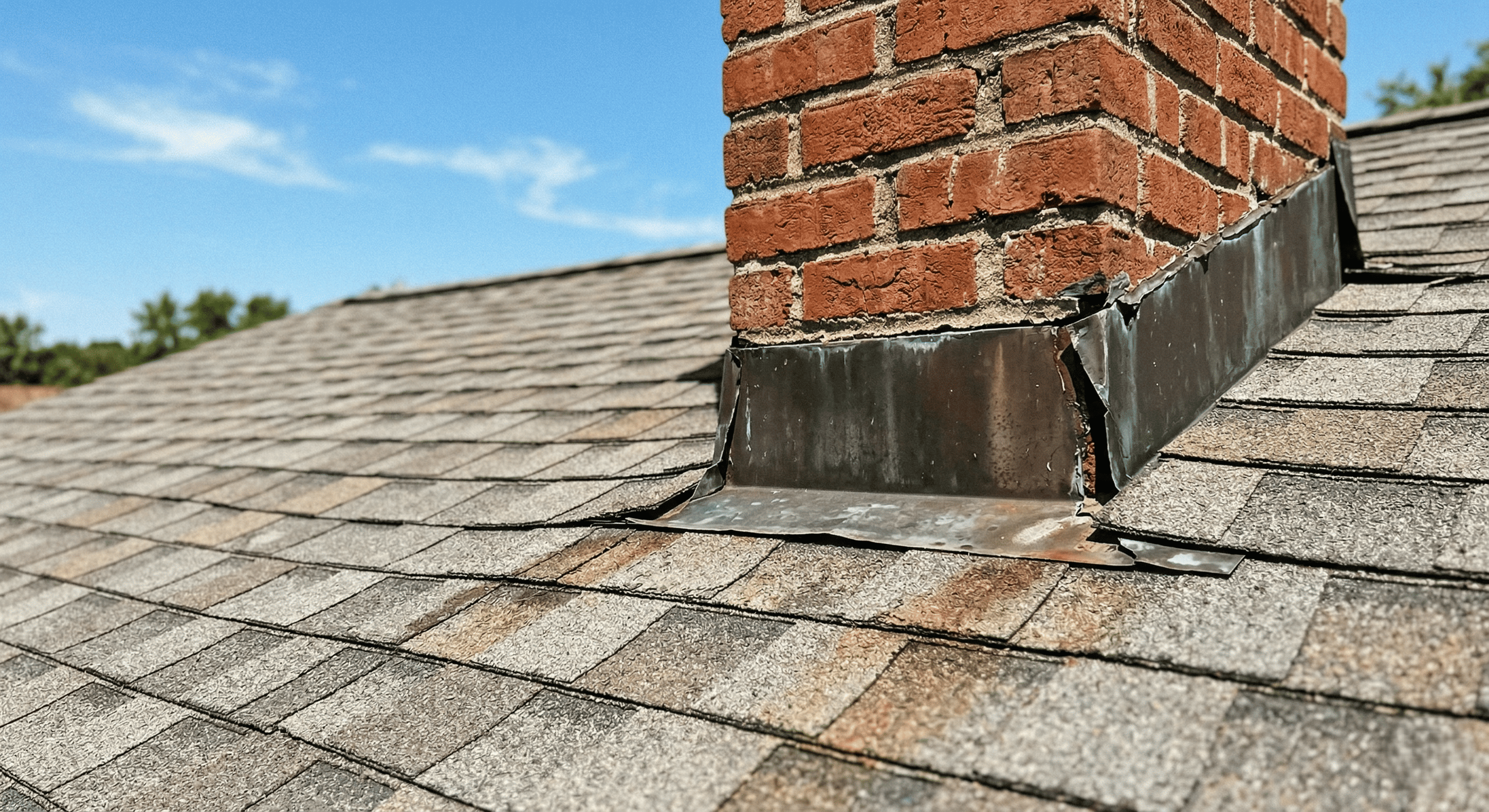
Many homeowners assume a leak means the shingles have failed. In reality, the problem often starts at transitions where the roof meets walls, chimneys, or penetrations. These areas rely on properly installed flashing to direct water away from the structure. When flashing is installed incorrectly, water can enter slowly and remain hidden for years. Homeowners searching for roof repair Des Moines services often discover the leak is not from worn shingles but from small installation details that were overlooked.
What Roof Flashing Actually Does
Flashing is designed to manage water at vulnerable areas of the roof. These include roof-to-wall intersections, chimneys, dormers, skylights, and pipe penetrations. Instead of allowing water to move behind siding or into seams, flashing directs moisture back onto the roof surface where it can safely drain.
When installed properly, flashing works with shingles to create a layered system. Each course overlaps the previous one. Water flows downward without reaching the roof deck. When flashing is skipped or installed incorrectly, that layered protection breaks down. Water begins to move behind exterior materials, often without immediate signs.
During the podcast conversation, Ryan Johnson, owner of Right Roofing, explained that flashing issues account for a large portion of recurring leaks. He described situations where return wall flashing was never replaced. The roof looked fine at installation, but small gaps allowed water to enter over time. Years later, homeowners noticed stains inside the home.
Why Flashing Failures Take Years to Appear
Flashing leaks rarely show up immediately. Water often enters behind siding and travels along framing. By the time a stain appears on drywall, the moisture has already moved through multiple layers.
Ryan described homeowners seeing brown ceiling spots years after installation. These spots often appear during winter when condensation and trapped moisture become visible. The actual flashing problem existed long before the stain appeared.
This delayed damage creates confusion. Homeowners assume the roof suddenly failed. In reality, water has been entering slowly. This is why proper flashing installation matters from the beginning.
The Most Common Flashing Installation Mistakes
Several installation shortcuts lead to flashing failure. These mistakes often go unnoticed during installation but create long term problems.
Flashing Not Replaced During Roof Installation
Some contractors leave existing flashing in place. Older flashing may contain small gaps or deterioration. Installing new shingles over worn flashing leaves a weak point in the system.
Ryan mentioned that flashing not being replaced is one of the most common problems he sees. The roof surface looks new, but the transition areas still rely on aging components.
Improper Step Flashing Installation
Step flashing should be installed between each shingle course. This creates a layered path for water to follow. Continuous flashing or incorrect placement allows water to travel behind siding.
When step flashing is missing, leaks often occur during wind driven rain. Water moves sideways and enters the wall assembly instead of draining off the roof.
Caulking Used Instead of Proper Repairs
Ryan described seeing multiple colors of caulking on siding. Each color represented another repair attempt. Caulking may slow leaks temporarily, but it does not replace proper flashing.
Sealants break down over time. Expansion and contraction create gaps. Water then returns to the same entry point.
Signs Your Flashing May Be Failing
Flashing issues often appear in specific areas. Leaks near walls, chimneys, or dormers are common indicators. Stains in ceiling corners also suggest flashing problems.
Recurring leaks in the same location often point to improper flashing. If repairs fix the issue briefly but it returns, the underlying transition was likely never corrected.
Moisture in the attic near wall lines is another sign. Water may be entering behind siding and traveling downward. Inspecting these areas helps identify flashing failure early.
Repair vs Full Roof Replacement
Not every flashing issue requires replacing the entire roof. Many leaks originate from localized transitions. Correcting flashing at those areas often resolves the problem.
Ryan explained that homeowners are sometimes told their roof is shot when only a small repair is needed. Removing siding, replacing flashing, and reinstalling materials often eliminates the leak.
This approach extends roof life and reduces unnecessary cost. Accurate diagnosis prevents replacing a roof that still has years of performance remaining.
Why Proper Flashing Installation Requires Experience
Flashing repairs often require removing siding and working with multiple exterior components. Step flashing must align with shingles. House wrap must overlap correctly. Each layer must direct water downward.
This type of work requires attention to sequencing. Missing one step allows water entry. Experienced contractors focus on these transitions because they are the most common leak sources.
Watch the Full Podcast Episode for Real Examples
In the full podcast episode, Ryan Johnson shares real scenarios involving flashing failures, recurring leaks, and repair attempts that never solved the problem. He explains why proper flashing installation requires removing siding and correcting the transition completely. Watching the conversation provides helpful insight into what causes persistent leaks and how professionals diagnose them. If you are researching roof repair Des Moines homeowners trust, the full episode offers valuable guidance on what to look for and how to avoid repeated repairs.
Frequently Asked Questions
What is roof flashing?
Roof flashing is metal installed at roof transitions such as walls, chimneys, and penetrations. It directs water away from vulnerable areas.
How long does roof flashing last?
Flashing can last decades when installed correctly. Improper installation shortens lifespan and leads to leaks.
Can flashing be repaired without replacing the roof?
Yes. Many flashing issues are localized. Replacing flashing often resolves the leak.
Why does my roof leak near a wall?
Leaks near walls usually indicate improper step flashing or missing flashing behind siding.
Does caulking fix flashing leaks?
Caulking provides temporary relief. Proper flashing replacement is required for long term repair.
How do I know if flashing was installed correctly?
Proper flashing is layered between shingles and behind siding. A professional inspection confirms installation.
Should flashing be replaced during roof replacement?
Yes. Replacing flashing during installation helps prevent future leaks.
How common are flashing related roof leaks?
Flashing failures are among the most common causes of roof leaks, especially near walls and chimneys.